
Earth is home to breathtaking landscapes, lush forests, and thriving cities — but hidden among these wonders are places so extreme, so hostile, and so dangerously unforgiving that no human can survive there, at least not without specialized gear or technology. These environments push the limits of temperature, pressure, toxicity, and oxygen levels. Scientists often study these locations to understand the boundaries of life on Earth and other planets.
In this blog, we explore the most uninhabitable places on Earth — regions where nature becomes a powerful reminder of how fragile human life can be.
1. The Danakil Depression, Ethiopia
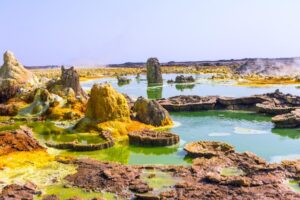
Often called the “Gateway to Hell,” the Danakil Depression is easily one of the most dangerous places on Earth. Situated over 100 meters below sea level in the Afar region, it is a surreal mix of neon-colored acid pools, active lava lakes, sulfuric gas emissions, and temperatures that regularly cross 50°C (122°F).
The ground bubbles with toxic chemicals, and the air is filled with corrosive fumes that can burn skin and eyes. Water sources here are not just undrinkable — they are acidic enough to dissolve human flesh. Life is nearly absent, and even bacteria struggle to survive. Scientists often say the Danakil looks more like the surface of Venus than Earth. For humans, survival here without advanced protection is impossible.
2. Death Valley, USA
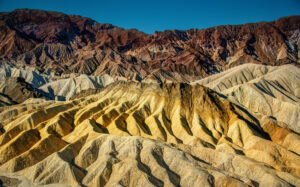
Despite its popularity as a tourist attraction, Death Valley in California holds the record for the hottest air temperature ever recorded on Earth — 56.7°C (134°F). Even at lower temperatures, the extreme dryness means sweat evaporates instantly, giving the false impression that the body is cooling. In reality, dehydration occurs at lightning speed, leading to heatstroke within minutes.
There are large areas in Death Valley where no natural water exists, and temperatures remain dangerously high even during the night. Some remote parts are so hot that electronic devices and car engines fail. Without constant hydration and shade, humans can’t survive long in this natural furnace.
3. The Door to Hell, Turkmenistan

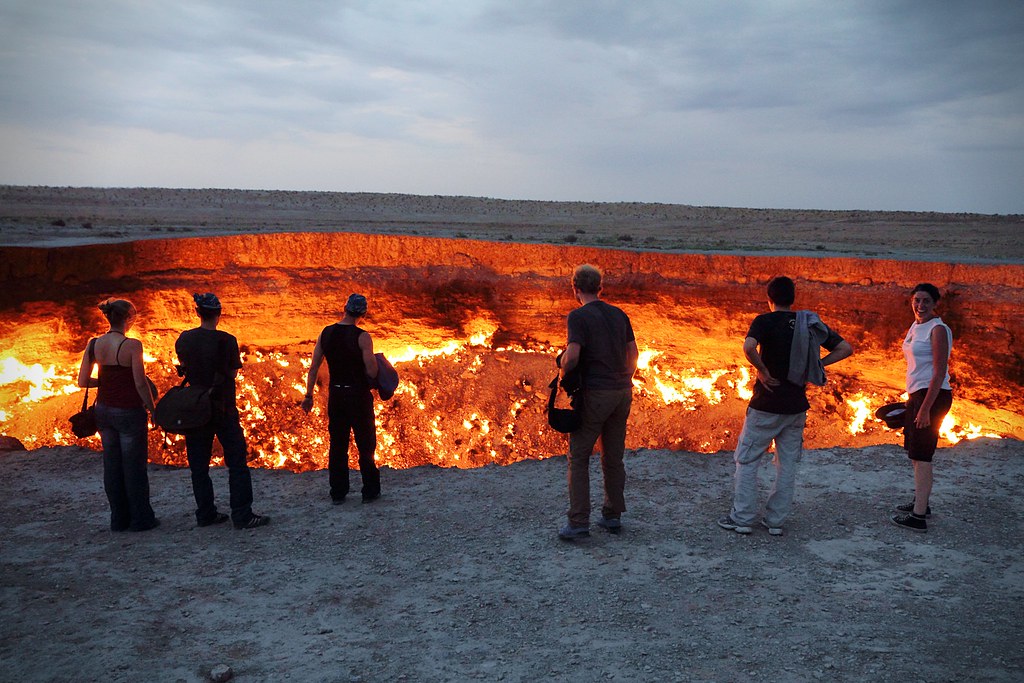
In the Karakum Desert lies a giant burning crater known as the Door to Hell. This 69-meter-wide pit has been burning continuously since 1971, when a Soviet drilling accident caused the ground to collapse into a natural gas pocket. To prevent the spread of methane, scientists set it on fire—expecting it to burn out in a few days. Instead, it has been blazing for over 50 years.
The temperatures inside the crater can reach nearly 1,000°C, and the surrounding area contains toxic gases that cause dizziness, oxygen loss, and unconsciousness. Getting too close risks falling into the unstable ground. For humans, this place is a guaranteed death trap.
4. The Lut Desert, Iran
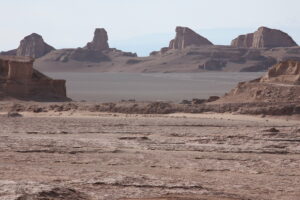
If the Danakil is “hell,” the Lut Desert in Iran is Earth’s “giant oven.” It holds the world record for the highest ground temperature ever recorded — a scorching 70.7°C (159°F), measured by NASA satellites. That temperature is hotter than most ovens people use at home.
The surface is so hot that no organism, plant, or living creature can exist here. Even insects and hardy microbes that thrive in volcanoes cannot survive the Lut’s heat. For humans, stepping into the Lut Desert without specialized cooling and water systems means near-instant death.
5. Mariana Trench, Pacific Ocean
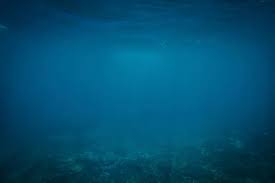
The Mariana Trench is the deepest place on Earth, plunging to a depth of 11,034 meters (36,200 feet) at the Challenger Deep. The pressure at the bottom is more than 1,000 times greater than surface pressure, equivalent to 8 tons pressing on every square inch of your body.
Without a specialized deep-sea submarine, a human body would be crushed instantly. It’s also pitch black, icy cold, and filled with strange organisms adapted to extreme pressures. Even powerful submarines risk implosion. For humans, the Mariana Trench is completely off-limits.
6. The Summit of Mount Everest (Without Oxygen)

Mount Everest may be a dream for climbers, but its summit is one of the most inhospitable places on Earth. Above 8,000 meters (26,000 ft) lies the infamous Death Zone, where oxygen levels drop to just one-third of what the human body needs.
Without supplemental oxygen, the brain begins to shut down, leading to hallucinations, confusion, and unconsciousness. Temperatures drop to –60°C, and storms can strike without warning. The human body cannot acclimatize to such extreme altitude; staying too long in the Death Zone guarantees death.
7. Lake Natron, Tanzania
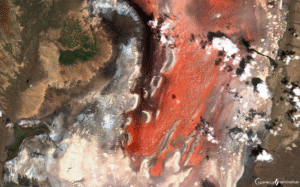
At first glance, Lake Natron appears beautiful with its red, pink, and orange hues. But this deadly lake is one of the most alkaline bodies of water on Earth, with a pH level reaching as high as 12, similar to ammonia or bleach.
The water can burn skin, blind eyes, and cause instant tissue damage. Animals that fall into the lake become quickly calcified, preserved like statues. Temperatures often reach 60°C, and the surrounding landscape is extremely dry and harsh. Humans cannot survive direct contact with this toxic lake.
8. Vostok Station, Antarctica
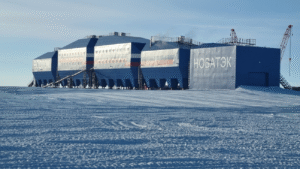
Vostok Station in Antarctica holds the record for the coldest temperature ever recorded on Earth — −89.2°C (−128.6°F). At this temperature, human skin can freeze solid in seconds, and inhaling the outside air can cause the moisture in your lungs to crystallize.
Even with extreme cold-weather gear, survival outside is limited. The harsh winds, total isolation, and months of complete darkness make this place uninhabitable for humans. It is a reminder of how deadly cold can be.
9. The Cave of Crystals, Mexico

Located 300 meters underground, the Cave of Crystals is home to some of the largest natural crystals ever discovered — some over 12 meters long. But this stunning beauty hides a deadly secret.
Inside the cave, temperatures reach 58°C (136°F) with 90% humidity. The human body cannot cool itself in such conditions, leading to organ failure within minutes. Researchers who explored the cave had to use special cooling suits and strict time limits. Without them, survival is impossible.
Conclusion: Earth Is More Extreme Than We Imagine
From burning craters to toxic lakes, from superheated deserts to crushing ocean depths, these places remind us of the sheer power of nature. While humans have conquered mountains, crossed oceans, and built cities in harsh climates, certain parts of Earth remain completely off-limits — places where no human can survive, no matter how advanced our gear becomes.
These extreme environments also help scientists understand how life might exist on other planets, especially places with boiling surfaces, freezing atmospheres, or toxic landscapes.
Earth is beautiful, but parts of it are truly deadly — proving that nature always has the final say.