
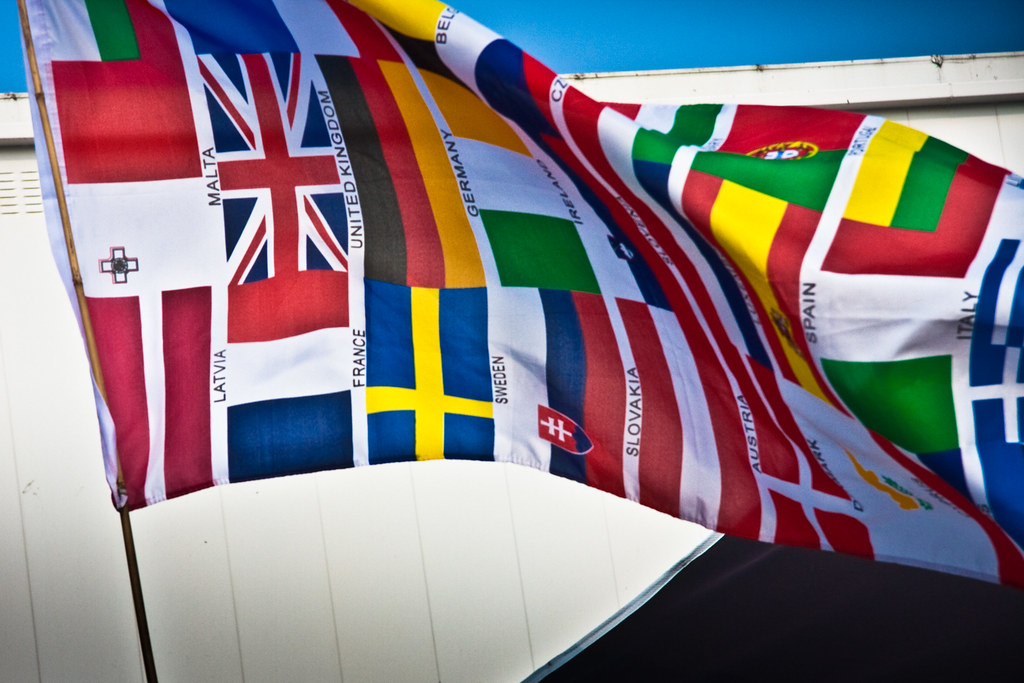
The world map is not as permanent as it looks. Borders shift, countries split or unite, and sometimes nations decide to refresh their identity with a brand-new name. In the last few decades—and even in recent years—several countries have officially changed their names to reflect cultural identity, political transitions, or branding goals.
In this blog, we explore countries that have changed their names recently, why they did it, and what it means for global geography.
Why Do Countries Change Their Names?
Countries rarely change names without a strong reason. These are the most common motivations:
To reclaim cultural identity after colonial rule
Political changes, such as revolutions or new governments
Language corrections to match native pronunciation
Rebranding for global image
Nationalistic or symbolic reasons
Disputes with other nations requiring resolution
Understanding these reasons helps explain the stories behind the name changes below.
1. Türkiye (Formerly Turkey) – 2022
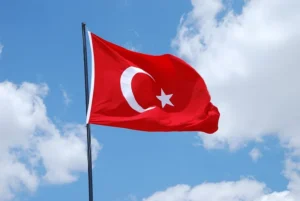
In 2022, Turkey officially rebranded itself as Türkiye on the global stage.
The change was meant to:
Reflect the country’s true Turkish-language name
Move away from associations with the English word “turkey” (the bird)
Strengthen national identity
The United Nations formally recognized the change after Türkiye submitted the request.
2. North Macedonia (Formerly Macedonia) – 2019
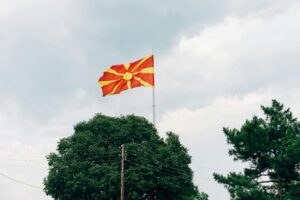
This name change was the result of a decades-long dispute with Greece.
Greece claimed historical rights to the name “Macedonia,” which is also a region in northern Greece.
The compromise led to the country officially becoming:
Republic of North Macedonia
This change finally allowed the nation to join NATO and move forward on EU membership talks.
3. Eswatini (Formerly Swaziland) – 2018

On the 50th anniversary of independence, King Mswati III declared that Swaziland would return to its pre-colonial name:
Eswatini
Reasons for the change:
To honor African heritage
To avoid confusion with Switzerland
To break away from colonial-era terminology
The name means “land of the Swazis” in the local language.
4. Czechia (Short Name for The Czech Republic) – 2016
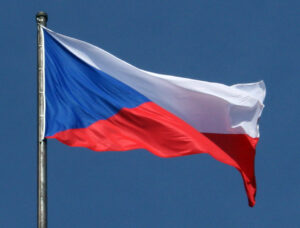
Although the country is still officially called The Czech Republic, it adopted Czechia as its short-form name in 2016.
Why?
Shorter, easier to use (similar to Slovakia, Austria, Latvia)
Better for branding in sports, business, and tourism
To avoid confusion with “Czechoslovakia,” which no longer exists
Many organizations now use Czechia, though both names remain accepted.
5. Cabo Verde (Formerly Cape Verde) – 2013
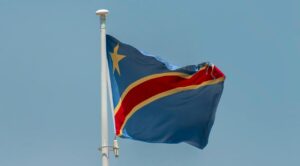
In 2013, the island nation requested to be called by its Portuguese name:
Cabo Verde
Reasons behind the update:
To unify all international and domestic references
To reflect its original Lusophone identity
To remove colonial-era English translations
The UN and most international bodies now recognize the name.
6. Myanmar (Formerly Burma) – 1989, Still Controversial
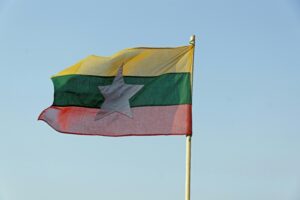
Although not extremely recent, Myanmar’s name change remains politically significant.
The military government renamed “Burma” to Myanmar in 1989.
However:
Some nations still use “Burma” due to political disagreements
The opposition prefers “Burma”
Official documents use Republic of the Union of Myanmar
It remains one of the world’s most debated name changes.
7. Sri Lanka (Formerly Ceylon) – 1972
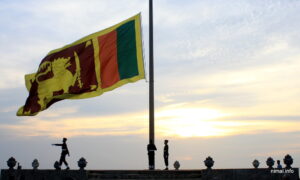
Sri Lanka’s modern name dates back to 1972, replacing the colonial-era name Ceylon.
Reasons for the change:
To remove colonial branding
To adopt a Sanskrit-origin name meaning “resplendent island”
Although older, this change still shapes modern history and geopolitics.
Other Places That Made Smaller but Notable Changes
Some countries didn’t change their full names but updated certain elements:
Holland → The Netherlands (2020 rebranding)
Not a name change, but a global branding shift to promote the country as The Netherlands instead of “Holland.”
Ivory Coast → Côte d’Ivoire (1985 request)
The country requested that its French name be used everywhere, without translation.
Iran (Formerly Persia) – 1935
Not recent, but widely referenced as a major historical renaming.
Why These Changes Matter
Country name changes may seem small, but they have big effects:
1. Maps and Atlases Must Be Updated
Schools, organizations, and publishers must adjust global maps.
2. International Relations Shift
Countries like North Macedonia gained diplomatic advantages after updating their name.
3. Cultural Identity Strengthens
Names like “Türkiye” and “Eswatini” restore indigenous identity.
4. Global Branding Improves
Shorter names like “Czechia” help simplify communication.
5. History Comes Into Focus
Many changes reflect struggles for independence, identity, or recognition.
Future Countries That May Change Their Names
Some nations have considered or proposed updates:
Netherlands → Nederland (push for Dutch pronunciation)
Serbia → Serbia and Montenegro (in case of union changes)
Belarus → Belarusian version “Biełaruś” (proposed by activists)
Georgia → Sakartvelo (popular among locals)
These are not official but show that geography continues to evolve.
Conclusion
The world map is constantly changing, and recent name updates highlight important stories about identity, politics, and history. From Türkiye’s modern rebranding to Eswatini’s cultural revival, each name carries meaning and purpose.
As global awareness grows and nations continue to evolve, we can expect more name changes in the coming decades. Keeping up with these shifts helps us better understand the world—and the people who shape it.