
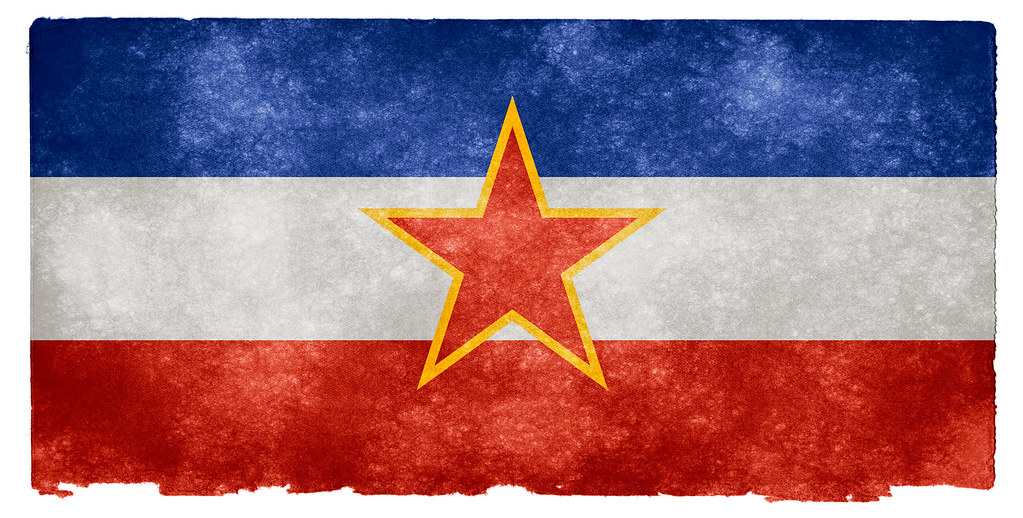
The world map has never been permanent. Borders shift, empires fall, and new countries emerge. Throughout history, many nations that once existed with their own flags, governments, and cultures no longer appear on today’s world map. These “lost countries” disappeared due to wars, colonization, unification, or political transformation.
In this blog, we explore some of the most notable countries that have vanished — and how they shaped the world we know today.
1. Yugoslavia
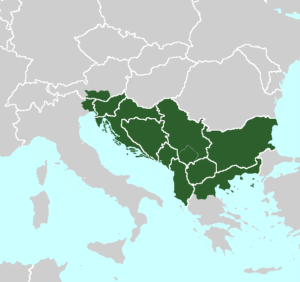
Existed: 1918–2003
Yugoslavia was a large nation in Southeast Europe formed after World War I. It broke apart in the 1990s due to ethnic conflicts and wars, eventually splitting into seven independent countries: Serbia, Croatia, Slovenia, Bosnia & Herzegovina, Montenegro, North Macedonia, and Kosovo (partially recognized).
2. East Germany (German Democratic Republic)
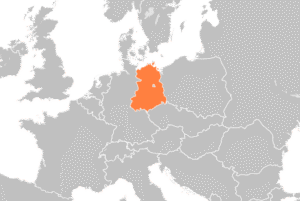
Existed: 1949–1990
After World War II, Germany was divided into East and West. East Germany followed communist rule under Soviet influence. When the Berlin Wall fell in 1989, both sides reunited, forming the modern Germany we know today.
3. Czechoslovakia
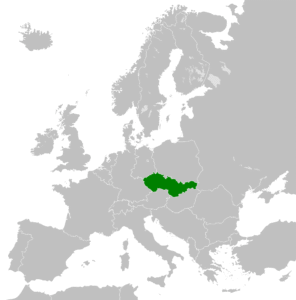
Existed: 1918–1992
This Central European nation peacefully split into two separate countries: Czech Republic and Slovakia. The event is known as the “Velvet Divorce” because it was calm and non-violent.
4. Ottoman Empire
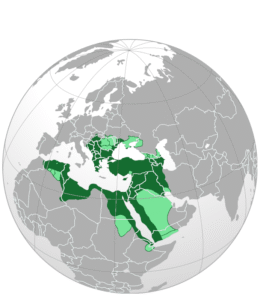
Existed: 1299–1922
One of history’s most powerful empires, the Ottoman Empire once controlled parts of Europe, Asia, and Africa. After World War I, the empire dissolved, giving rise to modern-day Turkey and several countries in the Middle East and Balkans.
5. Soviet Union (USSR)
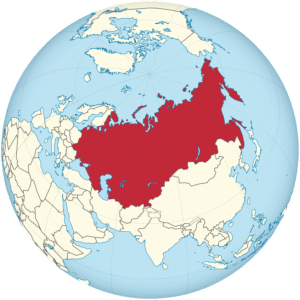
Existed: 1922–1991
The USSR was the world’s largest country by area and a superpower during the Cold War. It eventually collapsed into 15 independent countries, including Russia, Ukraine, Estonia, Latvia, Lithuania, Georgia, Kazakhstan, and others.
6. Tibet (as an Independent Nation)
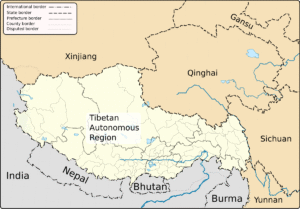
Existed: 1912–1951
Tibet functioned as an independent state after the fall of China’s Qing dynasty. In 1951, it was incorporated into the People’s Republic of China and no longer exists as a sovereign country.
7. Sikkim (Kingdom of Sikkim)
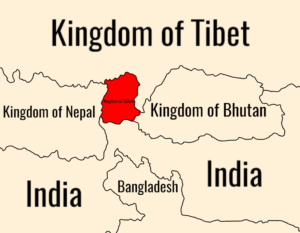
Existed: 1642–1975
This Himalayan kingdom became a part of India after a 1975 referendum. Today, Sikkim is one of India’s northeastern states surrounded by Bhutan, Nepal, and Tibet.
8. Prussia
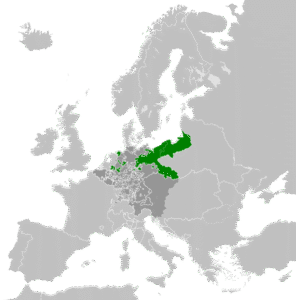
Existed: 1525–1947
Prussia was a powerful European kingdom known for its strong military traditions. After World War II, it was dissolved, and its territories were absorbed by Germany, Poland, and Russia.
9. Persia
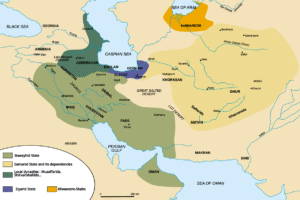
Existed: Until 1935
Persia was the official name of modern-day Iran until it was changed in 1935 to reflect local usage and national identity.
10. Gran Colombia
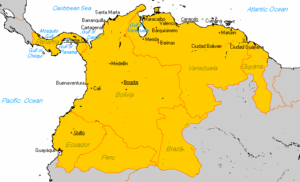
Existed: 1819–1831
This large South American country was led by Simón Bolívar. It covered what is now Colombia, Venezuela, Ecuador, and Panama before splitting into separate nations.
11. Rhodesia
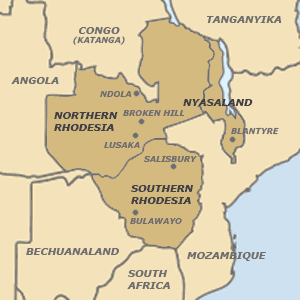
Existed: 1965–1979
Located in southern Africa, Rhodesia was an unrecognized state led by a minority white government. After years of conflict, it gained international recognition as Zimbabwe in 1980.
12. Khmer Republic
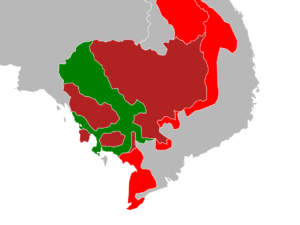
Existed: 1970–1975
Located in modern-day Cambodia, the Khmer Republic existed briefly before being overthrown by the Khmer Rouge, which led to one of the darkest periods in Southeast Asian history.
Why Do Countries Disappear?
Nations vanish for several reasons, including:
Wars and invasions
Internal conflicts
Political revolutions
Unification with another country
Peaceful separation into multiple nations
End of colonial rule
Borders are never fixed — they evolve with time, power, and people.
Final Thoughts
Studying countries that no longer exist helps us understand global politics, cultural shifts, and why modern borders look the way they do today. These lost nations, though gone, continue to influence current cultures and histories.