
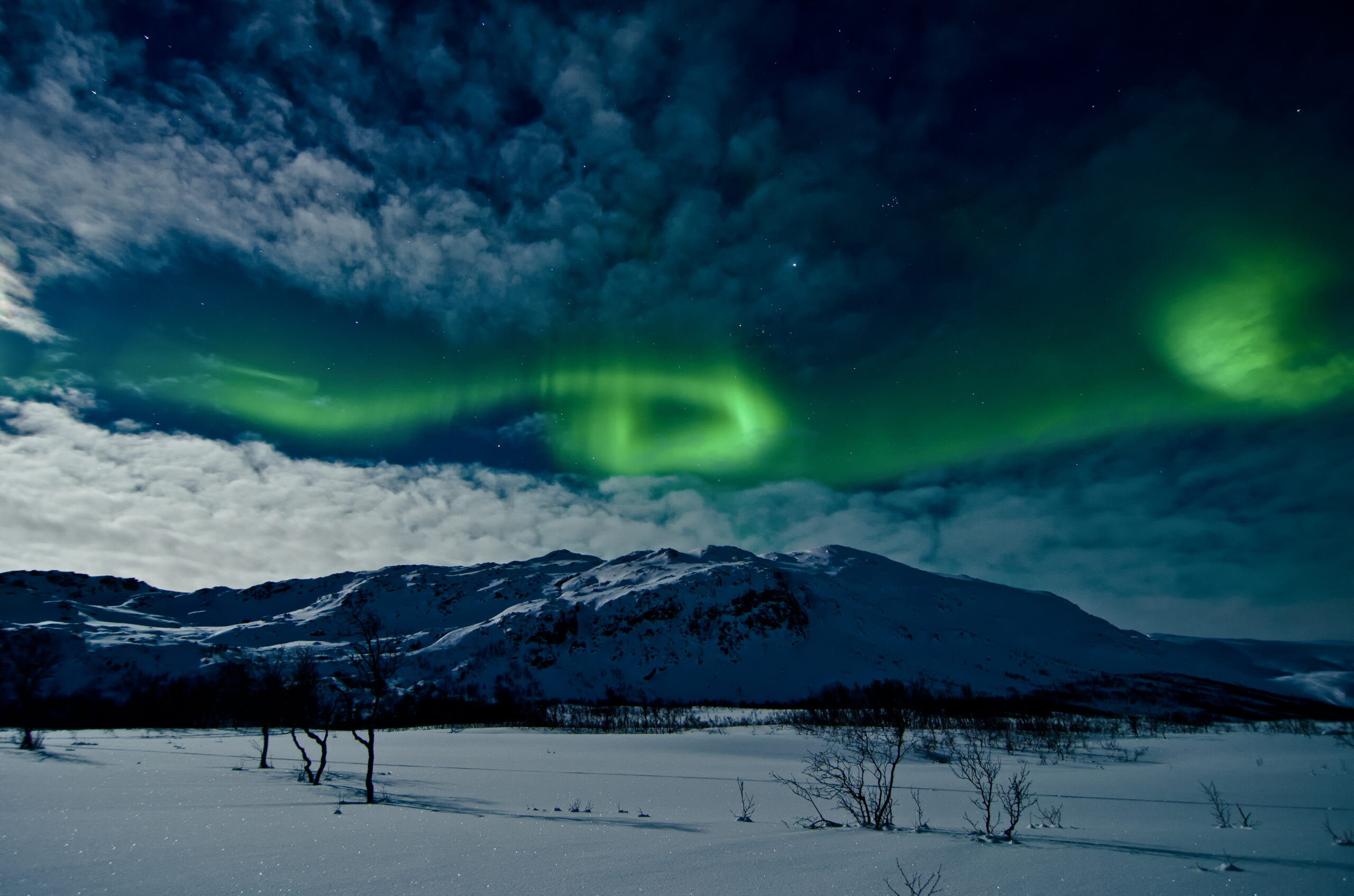
Have you ever imagined a place where the sun never goes down or where darkness lasts for months? While that sounds like something out of a fantasy movie, it’s a real phenomenon experienced by people living near the Arctic and Antarctic Circles. These natural wonders — known as the Midnight Sun and Polar Night — are among the most fascinating effects of Earth’s tilt and orbit.
Let’s explore the places on Earth where the sun never sets (and never rises) and discover why it happens.
Why Does This Happen?
The Earth’s axis is tilted at an angle of 23.5 degrees relative to its orbit around the Sun. Because of this tilt:
During summer in the polar regions, the Sun remains visible for 24 hours — this is called the Midnight Sun.
During winter, the same regions experience complete darkness for days or even months — this is called the Polar Night.
The closer a place is to the poles, the more extreme these effects become.
Places Where the Sun Never Sets (Midnight Sun)
These locations experience 24 hours of daylight for weeks or months every year.
1. Norway
From May to late July, parts of Norway, especially Svalbard and Tromsø, witness continuous sunlight.
Svalbard, in fact, enjoys sunlight for over 4 months straight (from April to August). Tourists visit to hike, kayak, or even play midnight golf under the bright Arctic sun.
2. Iceland

Although not as extreme as Norway, Iceland experiences nearly 24 hours of daylight in summer, especially around the summer solstice (June 21). In cities like Reykjavík, the sun barely dips below the horizon, painting the sky in stunning twilight colors.
3. Sweden
In Kiruna, the northernmost town of Sweden, the sun stays up for about 100 days straight — from May to August. Swedes celebrate this time with festivals, outdoor adventures, and late-night gatherings under the bright sky.
4. Finland
In northern Finland (Lapland), the sun doesn’t set for around 73 days during summer. It’s also home to mesmerizing natural sights like the Aurora Borealis in winter and the Midnight Sun in summer — truly a year-round wonder.
5. Canada (Northwest Territories and Nunavut)
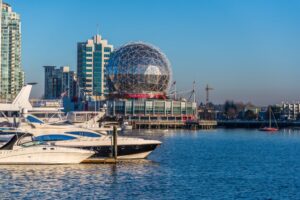
Far-north regions like Inuvik and Tuktoyaktuk experience 24-hour daylight for several weeks each year. During the Arctic summer, locals host events like the “Midnight Sun Festival,” complete with sports, music, and food.
6. Alaska (USA)

In Barrow (Utqiaġvik), the northernmost city in the U.S., the sun doesn’t set for 82 days — from early May to early August. Locals make the most of the long days for fishing, hiking, and community festivals.
7. Russia

The vast Arctic region of Russia, especially around Murmansk, witnesses the Midnight Sun from mid-May to late July. Murmansk is the largest city in the world located above the Arctic Circle.
Places Where the Sun Never Rises (Polar Night)
When the Earth tilts away from the Sun, these same places experience long periods of complete darkness.
1. Barrow (Utqiaġvik), Alaska
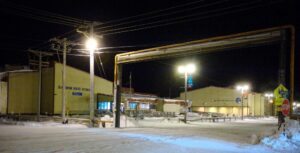
For about 65 days in winter, the sun doesn’t rise at all. From mid-November to late January, the town is in total darkness, with only a faint twilight appearing around midday.
2. Tromsø, Norway
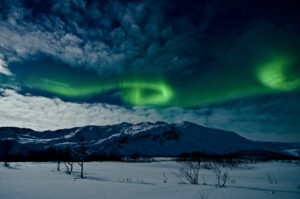
Known as the “Gateway to the Arctic,” Tromsø experiences Polar Night from late November to mid-January. The city glows with northern lights and cozy cafés, creating a magical atmosphere despite the darkness.
3. Murmansk, Russia

From early December to mid-January, Murmansk stays in darkness for about 40 days. Locals adapt by lighting up streets and homes, creating a warm contrast to the long, dark nights.
4. Iceland (North Regions)
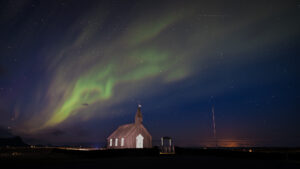
Northern Iceland experiences shorter daylight hours in winter, with the sun barely appearing for a few hours — sometimes not at all near the Arctic boundary.
5. Svalbard, Norway
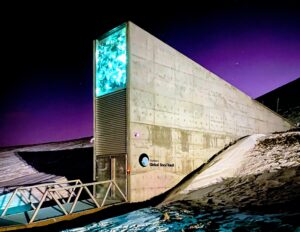
Perhaps the most extreme example — in Svalbard, the sun sets in late October and doesn’t rise again until mid-February. That’s nearly 4 months of polar night, balanced by 4 months of continuous daylight in summer.
Life Under Constant Day or Night
Living where the sun never sets or rises isn’t easy. It affects:
Sleep cycles — locals rely on blackout curtains in summer and bright lamps in winter.
Mood & health — long darkness can cause Seasonal Affective Disorder (SAD), while long daylight can disrupt rest.
Daily life — festivals, work hours, and travel patterns adapt to these unique light conditions.
Despite the challenges, locals celebrate these natural rhythms — they’ve learned to live with the light (or lack of it).
Tourism and Natural Wonders
The Midnight Sun attracts thousands of visitors each year. Popular activities include:
Midnight hiking and kayaking
24-hour wildlife safaris
Photography under the golden glow
Experiencing the surreal feeling of “nighttime daylight”
Similarly, the Polar Night draws aurora hunters, photographers, and adventure seekers from around the world.
Key Takeaways
The Midnight Sun and Polar Night occur because of the Earth’s axial tilt.
These events happen near the Arctic and Antarctic Circles.
Countries like Norway, Finland, Iceland, Canada, and Alaska experience the most dramatic versions.
Both phenomena create stunning natural experiences — and challenges for daily life.
Conclusion
The world is full of places that defy what we consider “normal.” The phenomenon of the sun never setting or rising reminds us just how dynamic and beautiful our planet truly is. Whether you dream of basking in the golden glow of the Midnight Sun or witnessing the dancing Aurora Borealis under the Polar Night, these regions offer an unforgettable glimpse into Earth’s wonders.