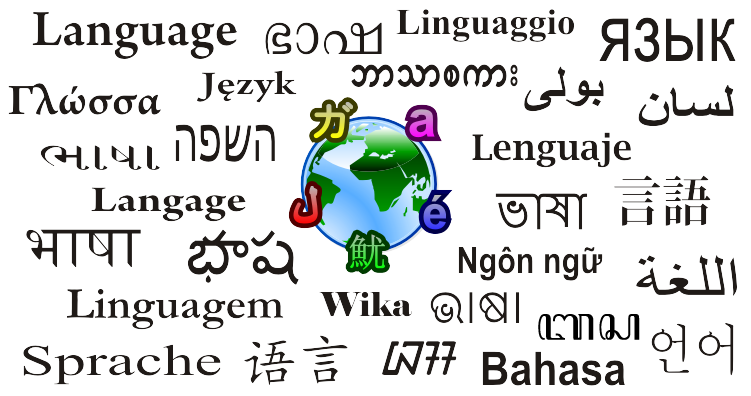
Language is one of the strongest markers of human identity. It connects people, reflects culture, and preserves history. While many countries function with just one or two major languages, others are linguistic powerhouses where hundreds—sometimes thousands—of languages coexist within a single national border.
In this blog, we explore the Top 10 countries with the highest number of languages. Some of these nations will surprise you, and their linguistic diversity is deeply tied to geography, tribe formation, colonization, and isolation.
Let’s dive into the most multilingual countries in the world.
1. Papua New Guinea – 840+ Languages
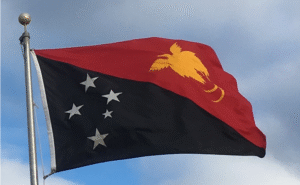
Papua New Guinea is the most linguistically diverse country on Earth. Despite having a population of just around 9 million, it hosts over 840 languages, representing nearly 12% of all languages globally.
Why So Many Languages?
Isolated mountain valleys, dense forests, and rugged terrain kept tribes separated for thousands of years.
Each tribe naturally formed its own language.
Very limited road connectivity even today keeps communities linguistically independent.
Fun Fact:
Most people in Papua New Guinea speak Tok Pisin, an English-based creole, as a common language, but at home they use their tribal languages.
2. Indonesia – 700+ Languages
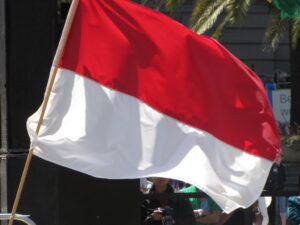
Indonesia is an archipelago of over 17,000 islands, spread across vast distances. This separation created hundreds of unique cultures and languages—more than 700 languages are spoken here.
Why So Diverse?
Islands developed independently.
Deep traditions and tribal cultures preserved local languages.
Indonesia’s official language, Bahasa Indonesia, is widely used for unity, but local tongues thrive.
Interesting Example:
On the island of New Guinea alone (shared with Papua New Guinea), hundreds of Papuan languages exist.
3. Nigeria – 520+ Languages
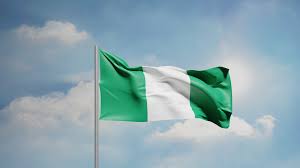
Nigeria is Africa’s most linguistically vibrant country with more than 520 languages. It is a mix of tribes, cultures, and long historical migrations.
Major Language Groups:
Hausa
Yoruba
Igbo
Fulani
Tiv
Kanuri
Why Nigeria Has So Many Languages:
Large number of ethnic groups (250+)
Long history of trade, kingdoms, and migration
Geographical divisions like rivers and savannas kept groups separate
Colonial influence never replaced local tongues
Did You Know?
English is the official language, but only used in education, government, and media. At home, people speak their local languages.
4. India – 450+ Languages
India is one of the most linguistically rich countries on Earth, with around 450 languages. Some estimates (including dialects) go even higher.
How Did This Happen?
The Indian subcontinent is home to ancient civilizations going back 5000+ years.
Major language families (Indo-Aryan, Dravidian, Tibeto-Burman, Austroasiatic) coexist.
Geography such as Himalayas, deserts, and coastlines created isolated communities.
Regional kingdoms preserved linguistic identity.
Official Languages:
India has 22 official languages, including Hindi, Bengali, Tamil, Telugu, Kannada, Marathi, Punjabi, Gujarati, Urdu, and more.
A Surprising Fact:
Some Indian states themselves have more languages than entire countries!
5. United States – 430+ Languages

The United States may surprise people, but it has over 430 languages, thanks to immigration, indigenous cultures, and global communities.
Why So Many Languages?
Over 170 indigenous languages
Millions of immigrants from Latin America, Asia, Europe, and Africa
Refugee populations preserve native languages
Urban centers like New York and Los Angeles act as global linguistic hubs
Example:
In New York City alone, over 200 languages are spoken — making it one of the most linguistically diverse cities in the world.
6. China – 300+ Languages
China has more than 300 languages, though Mandarin is the official national language.
Language Groups:
Sino-Tibetan
Tai-Kadai
Mongolic
Turkic
Tibetan
Hmong–Mien
Why So Diverse?
Massive geography with mountains, deserts, rivers
Numerous ethnic minorities (55 officially recognized)
Thousands of years of isolated settlements
Note:
Many “Chinese dialects” like Cantonese, Hokkien, and Shanghainese are actually separate languages linguistically.
7. Mexico – 290+ Languages
Mexico has over 290 living languages, including dozens of indigenous languages.
Indigenous Groups Include:
Nahuatl
Maya
Zapotec
Mixtec
Otomi
Why Mexico Has Many Languages:
Ancient civilizations such as the Maya and Aztecs
Mountainous terrain creating separate regions
Strong preservation of indigenous culture
Interesting:
Many Mexican languages have millions of speakers even today.
8. Cameroon – 280+ Languages
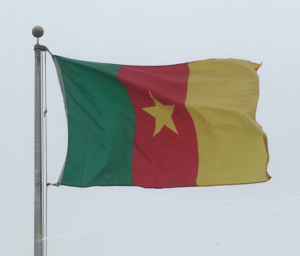
Cameroon is called “Africa in Miniature” because it has nearly every type of African landscape — and also incredible linguistic diversity with 280+ languages.
Reasons for Language Diversity:
More than 250 ethnic groups
Colonial history (German, British, French)
Rich tribal traditions
Mountainous and forested regions restricting movement
Official Languages:
English
French
But most Cameroonians speak their ethnic languages at home.
9. Australia – 250+ Languages
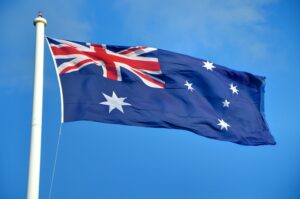
Before European colonization, Australia had nearly 300 Aboriginal languages. Today, around 250 survive, though many are endangered.
Why So Many Languages?
Indigenous tribes lived separately for tens of thousands of years
Harsh landscapes created isolated groups
Strong oral traditions kept languages unique
Fact:
Some Aboriginal languages have only a handful of fluent speakers today.
10. Brazil – 220+ Languages
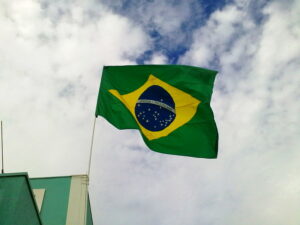
Brazil has more than 220 languages, mainly from indigenous populations and immigrant communities.
Indigenous Group Examples:
Tupi
Guarani
Ticuna
Yanomami
Pataxó
Causes of Diversity:
Huge rainforest regions
Remote tribes in the Amazon
History of Portuguese colonization interacting with native cultures
Modern Brazil:
While Portuguese is universal, indigenous languages remain a core part of Brazilian identity.
What Makes a Country Linguistically Diverse?
Several factors shape linguistic diversity:
Geography
Mountains, forests, rivers, and islands isolate groups and lead to new languages.
Tribal and Ethnic Groups
More tribes = more languages.
Migration and Trade
Movement of people introduces more languages.
Colonization
Colonizers introduce new languages but rarely replace local ones.
Population Distribution
Countries with remote or rural communities develop unique languages.
Why Does Language Diversity Matter?
Languages are more than just words — they are:
carriers of culture
protectors of history
identifiers of identity
windows into ancient knowledge
When a language disappears, an entire world of stories, traditions, and wisdom disappears with it.
Final Thoughts
These top 10 countries show how diverse humanity truly is. From Papua New Guinea’s stunning 840+ languages to Brazil’s rich Amazonian tongues, language is a reminder of how deeply cultures are rooted in land, history, and community.
Understanding these multilingual nations helps us appreciate the beauty, variety, and complexity of human communication.